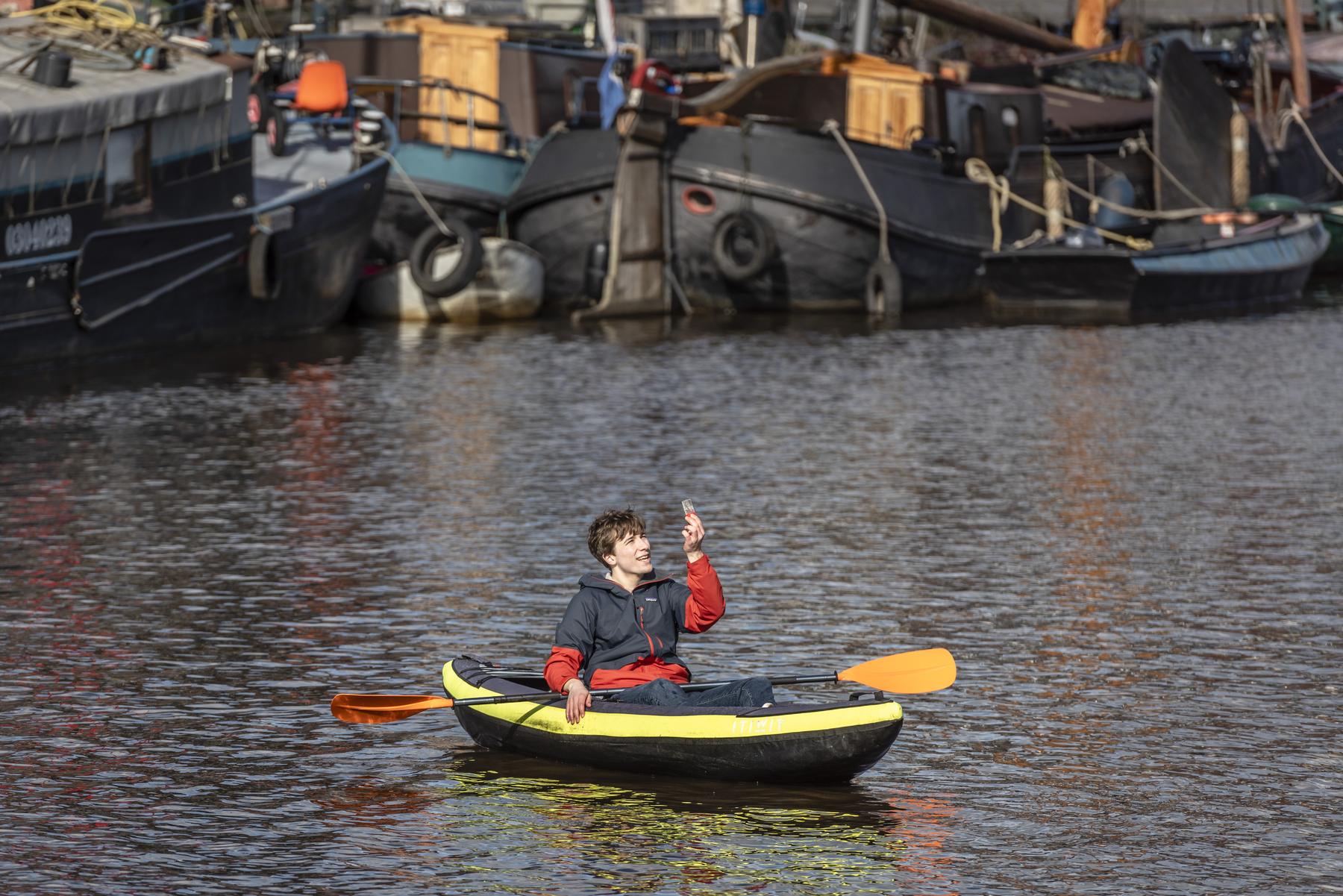
Malta · 11 September 2026 · JA Malta & the European Patent Office
You've already done the hard part.
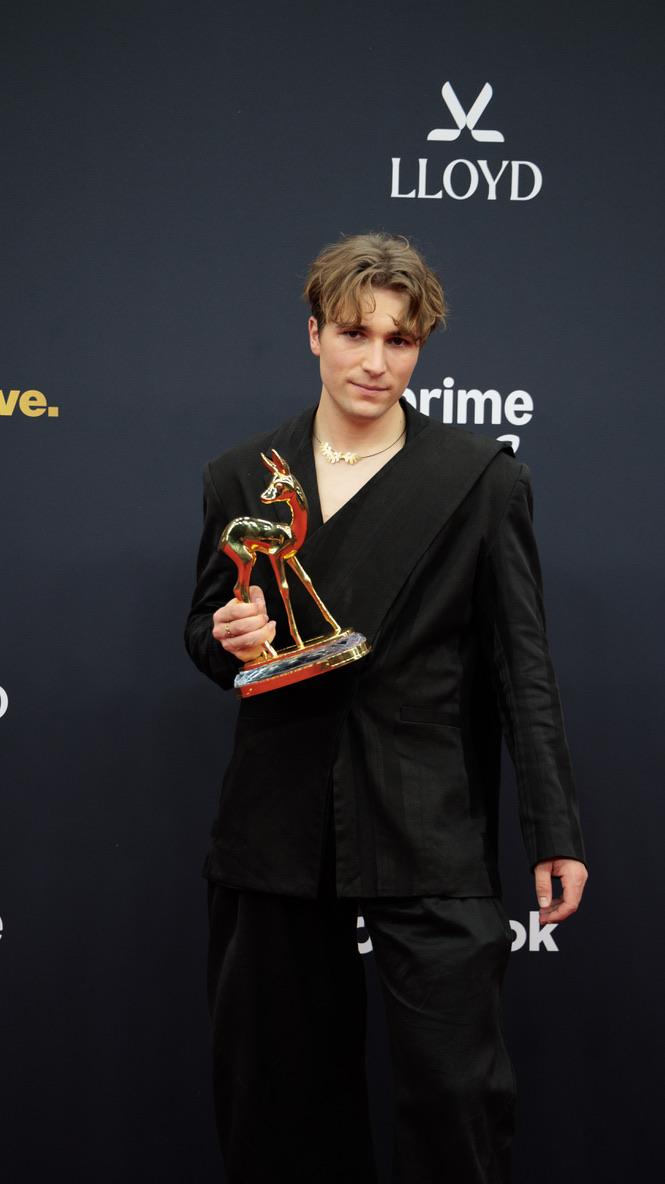
Fionn Ferreira — inventor and scientist. What happens to your invention on Monday is the bit nobody tells you.
Take one second to notice this
Today you did three things most adults never do.
✓You made something that didn't existNot an essay about it. The thing itself.
✓You showed it to strangers who were allowed to say noThat's the part almost everybody avoids their whole life.
✓You finished it by a deadlineMost ideas die of being not-quite-ready. Yours didn't.
So the question isn't whether you can invent. You've done it. The question is what you do with it next.
You are already an inventor.
So here's what I actually came to give you
Six tools. Yours from today.
Not advice. Not "believe in yourself". Six things you can pick up and use this week — and the first one runs out in nineteen days.
Every one of them is free, and not one of them needs an adult's permission.
Tool 01 of six · The reason I'm telling you this today and not in a month
19
days until the EPO closes nominations for the Young Inventors Prize — 30 September 2026.
No minimum ageNo patent neededFree to enterAnywhere in the worldUp to €20,000You can nominate yourself
Two conditions: your invention has to be public, and it has to help with one of the UN Sustainable Development Goals. That's it. Everything you built today already qualifies on the second one.
EPO nominations parents — photograph this
Tool 02 of six · "Public" sounds official. It isn't.
Making it official is a phone and ten minutes.
1Write what it does, in five sentencesWhat problem, what you built, what it's made of, what it achieved, who it's for.
2Take three photographs and a thirty-second videoShow it working. Wobbly and real beats polished and staged.
3Put it somewhere anyone can see it, with today's dateA school page, a blog, a public post. Dated, visible, permanent.
4Name the Sustainable Development Goal it helpsClean water, health, cities, climate — pick the honest one, not the grandest.
Tool 03 of six · The one thing that can't be undone
The order matters more than the speed.
FIRST
Write it down and date it
A notebook, a dated file. Free, takes five minutes, and it's yours from that moment.
→
THEN ASK
Might this ever be a patent?
In Europe there's no safety net: once it's public, it usually can't be patented afterwards. Ask before you post.
→
THEN
Publish it and enter things
Once that's settled, being public is pure upside — prizes, help, people who want to build it with you.
There are people from the European Patent Office in this room this evening. That question is free to ask them, and today is the cheapest day you'll ever get to ask it.
Ideas are cheap. Evidence is not.
Mine started with something I was the only one looking at
Noticed. Tried. Then measured it a thousand times.
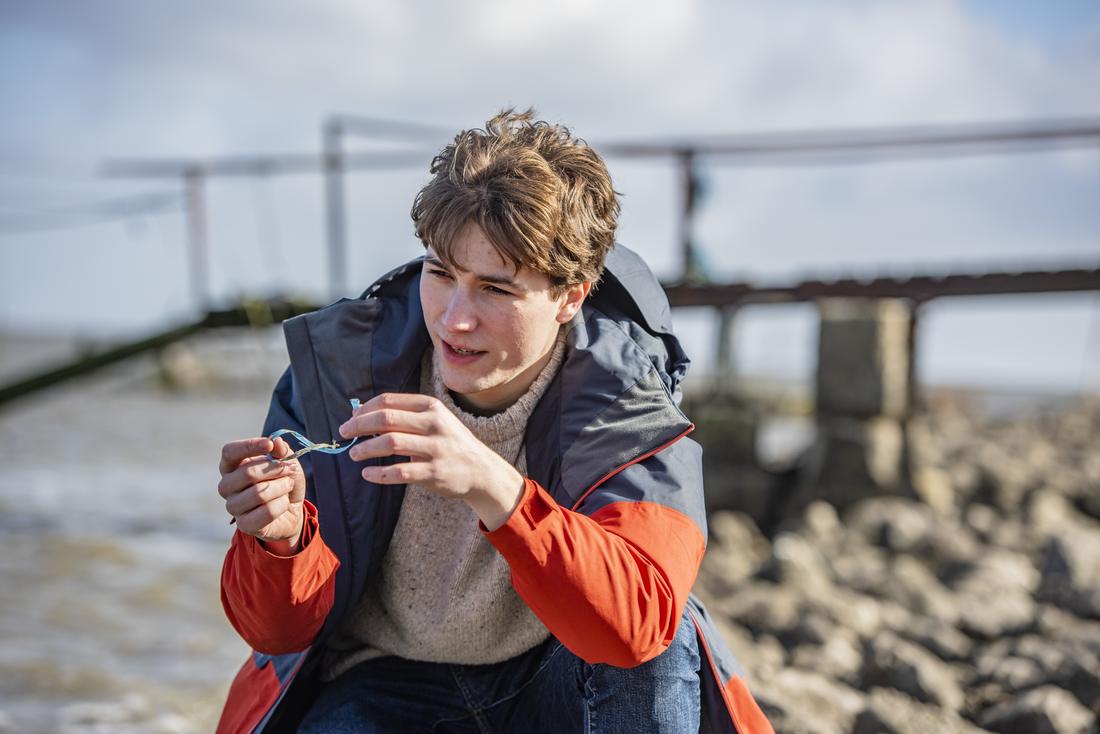
The rockOil on a stone, plastic stuck to the oil. Nobody else on that shore was looking at it.
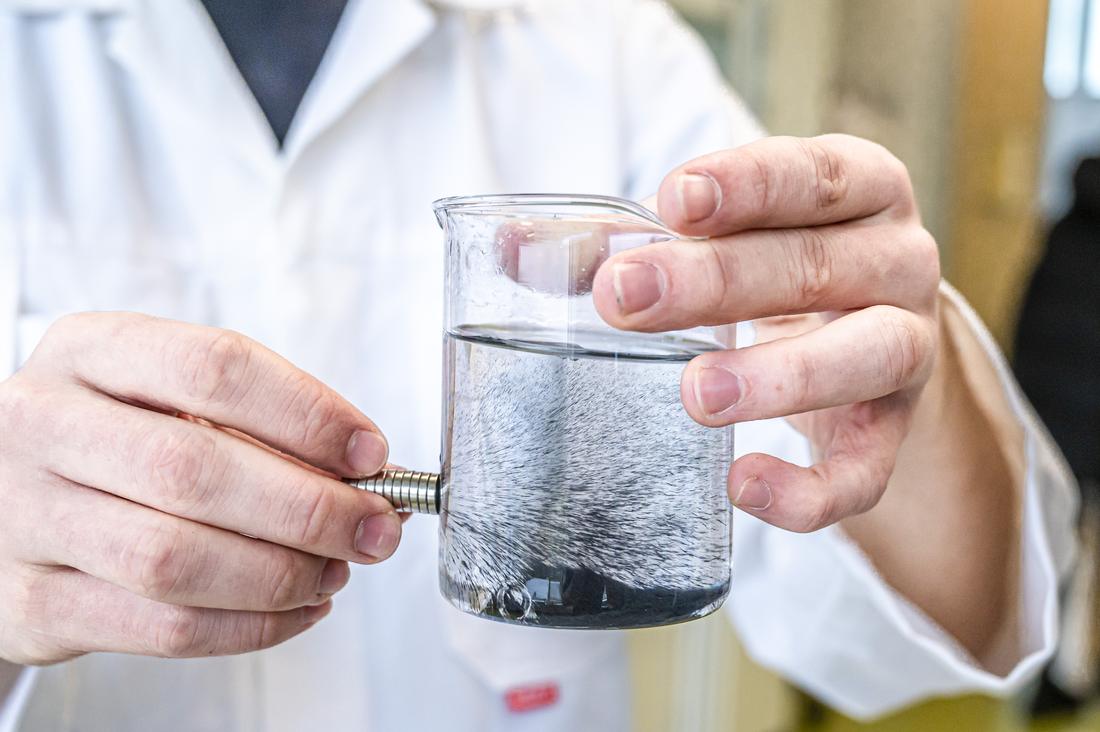
The trickOil and plastic stick together. Make the oil magnetic and a magnet lifts both out.
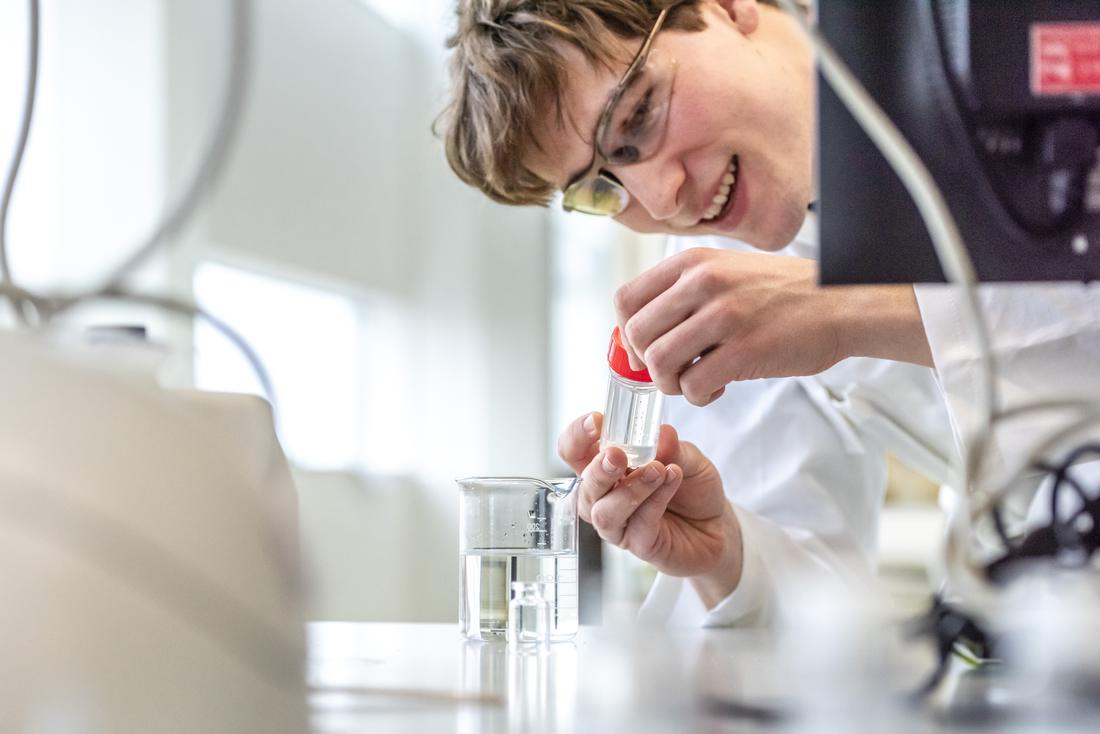
The unglamorous partThe same measurement, over and over, for months. This is where inventions actually get made.
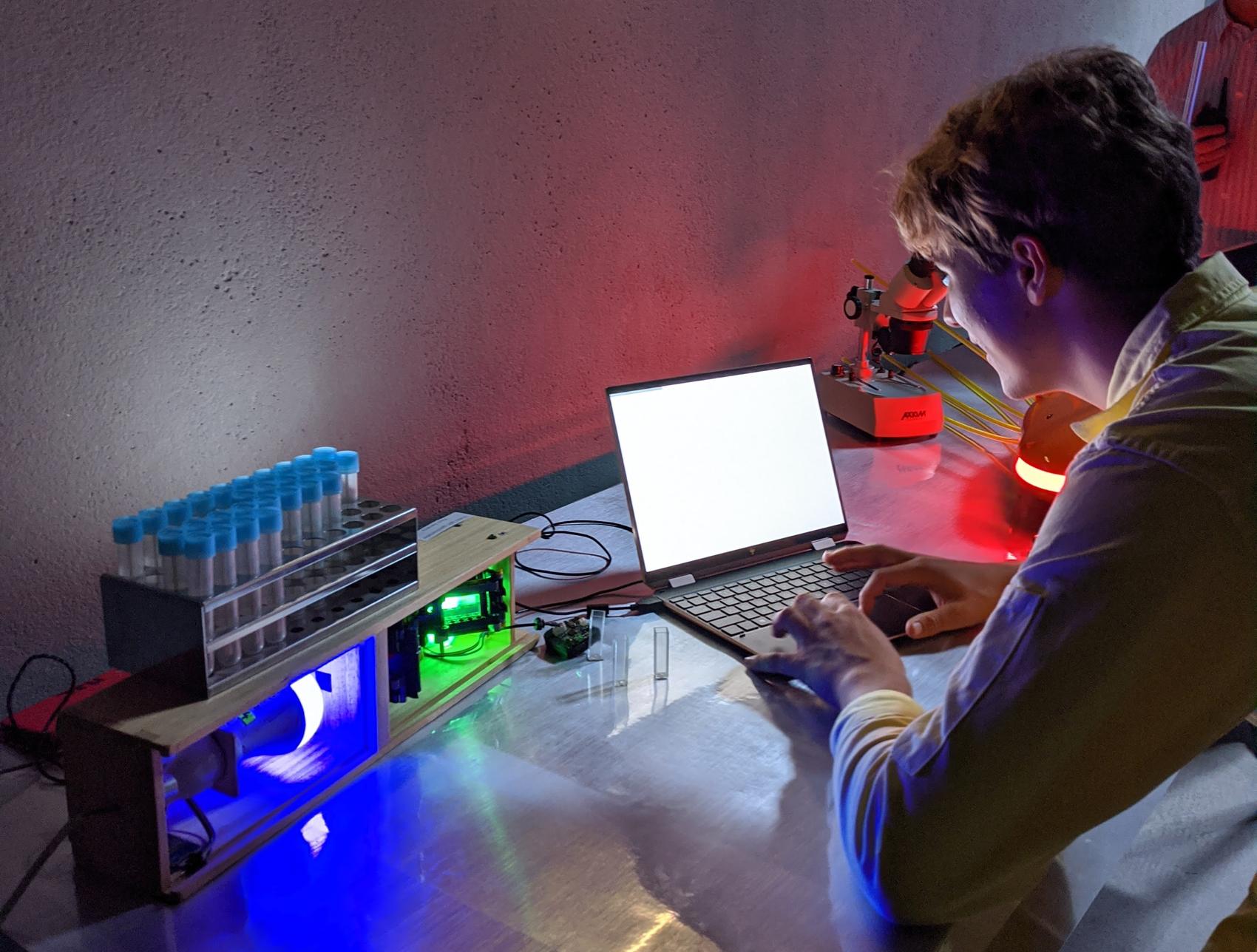
This is the instrument that measured every result
Plywood, LED strips, a handful of electronics and a second-hand laptop. I built it because I couldn't get near a real spectrometer — and it turned out to be enough.
Tool 04 of six · Let's run my experiment right now, live
A demo shows it could work. Your number proves it does.
—
no tests run yet
So — what's the number for yours?
Every invention has one.
You built something that saves water
Litres saved per week, measured against not using it at all.
You built something people wear or carry
How many of ten strangers could use it with no instructions.
You made a campaign to change behaviour
How many people did the thing, before your poster and after.
1:00
Turn to the person next to you: what number would prove yours works?
In a few minutes some names get read out
A result is information, not a verdict.
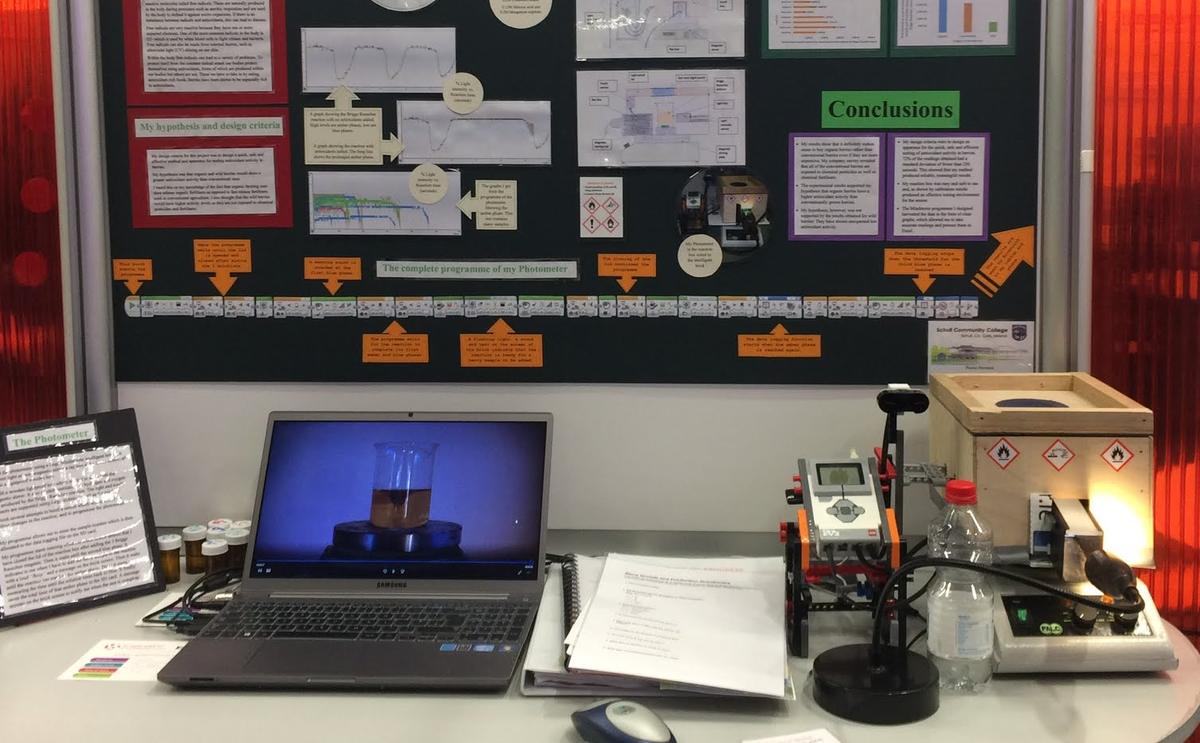
One of my early standsPrinted pages, LEGO, a plywood box and a laptop playing a video of a beaker. I lost my first fair at twelve and a few after that — each one told me something specific that was wrong, which is exactly what a judge is for.The same project, years laterNothing in between was a straight line, and nobody photographs the middle bit.
What today's judges are rewarding: whether you can explain it clearly, whether you tested it honestly, and whether you know what you'd fix next. None of the three has anything to do with what your materials cost.
The worst answer you can get is silence.
Tool 05 of six · You have a result now — this is the email that gets answered
The email you can send tomorrow
Subject:Sea-grass project from the JA Malta event — what would you test next? Dear Dr [name], This summer I built a mooring buoy that doesn't drag on the seabed, and showed it at the JA Malta and European Patent Office event on 11 September. In ten tests it cut scour by about 40% compared with a standard mooring. The write-up, photos and all my results are here: [link] I read that you map sea grass around Malta — that's why I'm writing to you and not to someone else. I've taken it as far as I can on my own. Could I ask for twenty minutes to hear what you'd test next? If it's not possible, is there someone you'd suggest I ask instead? Thank you, [your name], 13
←Lead with what already existsYou're not asking them to imagine an idea. You're telling them about a thing you built. Completely different email.
←Give them your numberOne measured result is what separates you from everyone else in their inbox. This is why you did the tests.
←Link the public write-upThe thing you posted last night now does the work for you. They can check you in thirty seconds.
←Say why them, specificallyFlattery gets deleted. One true sentence about their actual work gets read.
←Ask small, and leave a door openTwenty minutes is easy to say yes to. And "is there someone else?" gets you a name even when the answer is no.
Most won't reply — that's normal, not a judgement. Send twenty. Jack Andraka sent around two hundred and got one yes; that one yes took him to the world final.
Photograph this one
What to do next.
TONIGHT
Write it down and date it
Five sentences and three photos. Before you forget what you were thinking today.
THIS WEEK
Ask about the patent question, then publish
Then put it online, dated, and nominate yourself before 30 September.
THIS MONTH
Get your number
Test it ten times, not once. Write down every result, including the bad ones.
BY CHRISTMAS
Show it to someone who scares you
A scientist, a company, a competition. The worst outcome is silence, and silence costs nothing.
Nobody photographs this part, so here it is
It took eleven years, and I lost most of them.
12
LostMy first science fair. I entered again the next year, and lost that one too.
16
Built the wrong thing, repeatedlyIncluding a spectrometer out of plywood, because I couldn't get near a real one.
18
One of them workedA magnetic liquid, a fish tank, and a very large number of failed tests.
now
Still mostly wrong firstStill inventing. The method hasn't changed since I was twelve.